
.webp)
Deferred maintenance is upkeep that gets pushed past its natural point. It's the filter that should've been changed last quarter. The gutters that should've been cleared before the rain started. The water heater flush keeps getting bumped to next month. None of it feels urgent at the moment. That's exactly what makes it easy to defer — and expensive once it can't be put off any longer.
If you own a rental in Bellevue, Kirkland, Redmond, or Seattle, you make this call more often than you might think. Check the HVAC filter now, or let the system strain later. Drain the water heater on schedule, or replace it years early. This post breaks down why the delay is what costs you, what that tends to look like in dollars, and how a proactive maintenance plan changes the math.
Key Takeaways
- Deferred maintenance turns a cheap, routine task into an expensive, unplanned one — the delay adds the cost, not the repair itself.
- A dirty HVAC filter or a neglected water heater are the two most common starting points for bigger failures.
- Water damage is the clearest example: the same leak costs very differently depending on how fast it's found.
- A written schedule, not memory, is what keeps deferred maintenance from piling up.
- Preventive maintenance protects property value and is one of the more reliable levers for resident retention.
Why the Delay Is the Expensive Part
A repair made on schedule and the same repair made after failure rarely cost the same. Scheduled work runs on your timeline. You pick the vendor. You budget ahead of time. Deferred work runs on the property's timeline instead — usually at the worst moment, often after hours, at an emergency rate.
| Scheduled Maintenance | Deferred / Reactive Repair | |
|---|---|---|
| Cost | Lower, predictable | Higher, often at urgent rates |
| Timing | Set by you | Set by the failure |
| Visibility | Caught early | Often hidden until it's serious |
| Emergency calls | Rare | The default |
| Property value | Protected | Erodes gradually |
| Resident satisfaction | Higher | Lower |
Two Small Systems, Two Very Different Outcomes
HVAC filters are usually the first place deferred maintenance shows up. A clogged filter forces the system to work harder — that shows up as a higher energy bill and equipment that wears out faster than it should. ENERGY STAR recommends checking your filter every month and changing it at least every three months, so the system never has to fight for airflow.
Water heaters tell a similar story. Left alone, sediment settles at the bottom of a storage tank and quietly eats into efficiency and lifespan. The fix, per the Department of Energy's guidance for storage-tank units, is to drain a bit of water from the tank every three months to flush the buildup out — a job that takes about as long as making coffee. Put it off for a few years instead, and a full, unplanned replacement is usually what's waiting on the other end.
Neither example is dramatic on its own. Left unaddressed across a portfolio for a few seasons, they add up to real, avoidable cost — which is the whole case for preventive maintenance in one sentence.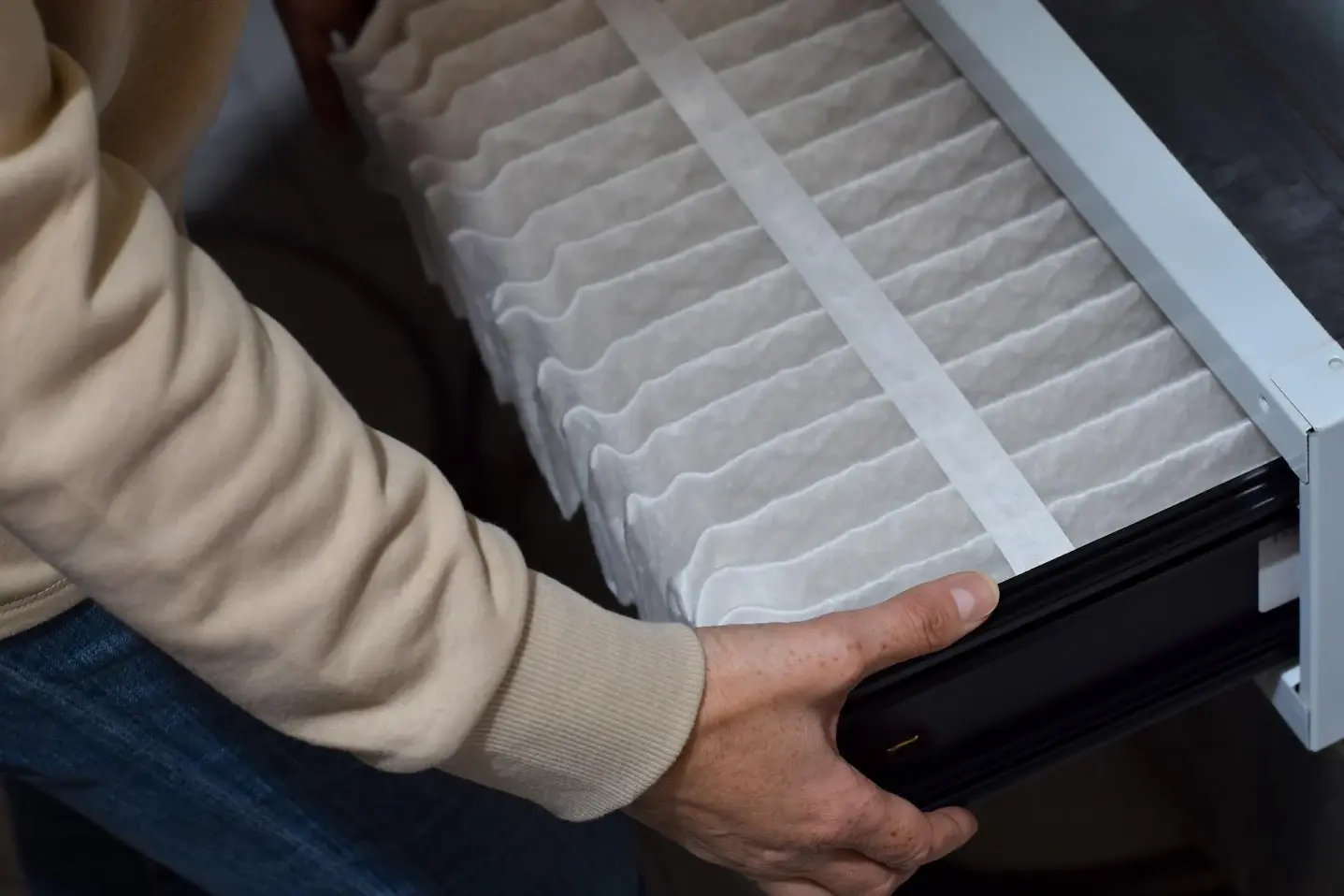
Where It Gets Expensive Fast: Water
Water damage shows the timing problem most clearly. EPA guidance puts the mold threshold at 24 to 48 hours — dry wet materials out before then, and mold generally doesn't get a foothold. Miss that window and the odds shift fast. Catch a slow leak on a routine visit and it's a straightforward repair. Let it sit until a resident finally mentions the smell three months in, and you're paying for remediation instead — a very different scope of work, and a very different bill.
The Resident Side of the Equation
Owners tend to measure deferred maintenance in repair costs. Residents measure it differently: slow responses, the same issue coming back, a property that feels unattended to. That perception shows up directly at renewal time. Fewer surprise breakdowns and faster fixes build the kind of trust that keeps a good resident from shopping the market once the lease is up.
Building a Proactive Maintenance Habit
Most owners already know a dirty filter or a slow leak is bad news. The real gap is a system that catches it before it turns into something deferred. Three things close that gap:
- A written schedule, not a mental one — HVAC service, water heater flushes, and roof and gutter checks tied to real calendar dates, not "whenever there's time."
- A simple record of what got serviced and when, so nothing depends on someone remembering.
- One person accountable for follow-through, so a task doesn't quietly fall between an owner and a vendor.
Without that record, the same emergency repairs have a habit of resurfacing — nobody can prove what was actually done the year before, so nothing gets caught before it fails again.
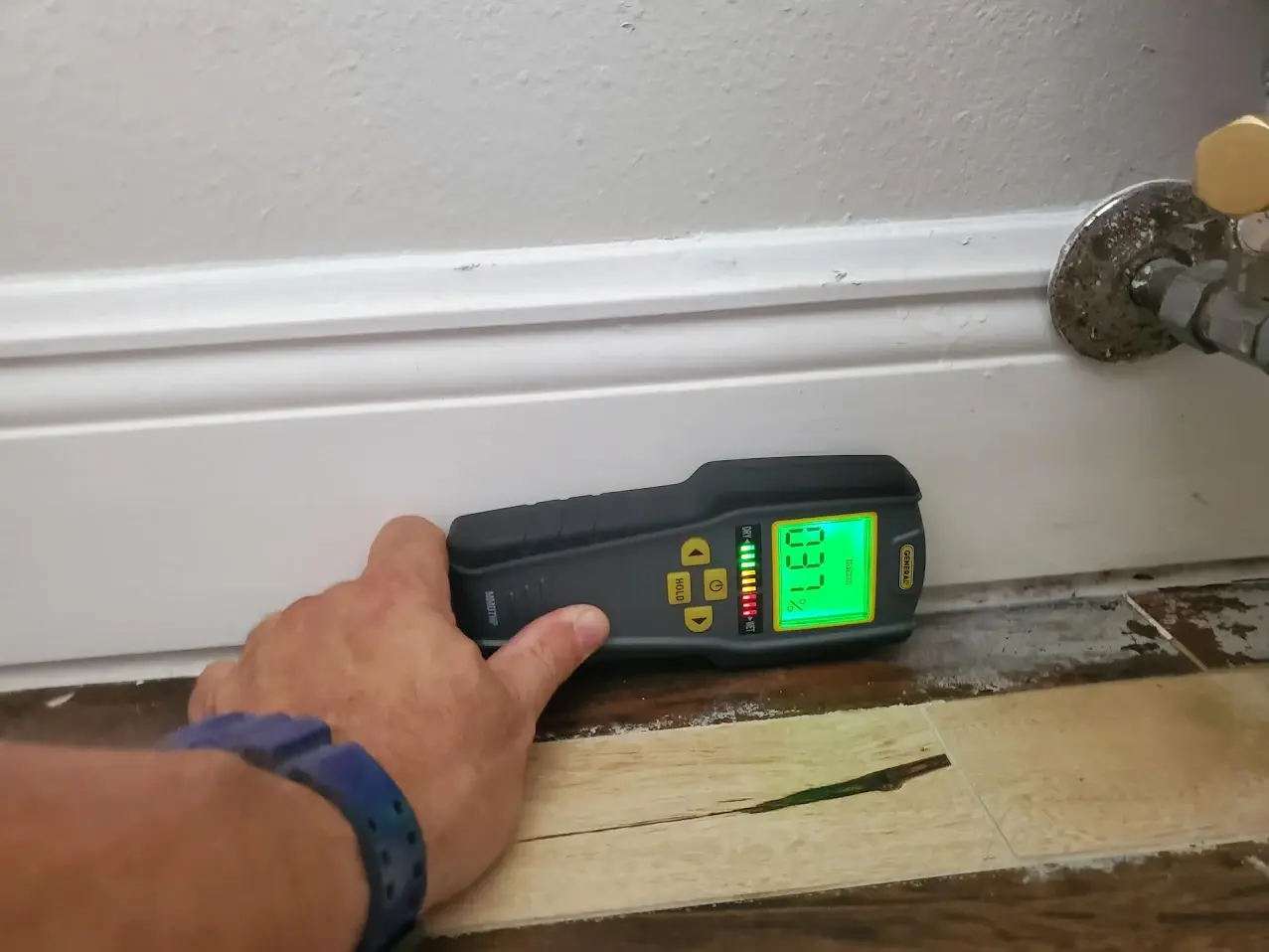
Smart home devices are starting to help close that gap, too. Leak sensors can flag a slow drip behind a washing machine before it reaches the subfloor. HVAC monitors can flag unusual run times before a system fails outright. None of this replaces a physical inspection, but it shrinks the window where a small problem turns into an expensive, deferred one.
Looking for the actual season task list? Our winter-proofing checklist walks through exactly what to check and when across the year.
Signs You're Already Behind
- Maintenance requests consistently catch you off guard
- You can't say when the HVAC or water heater was last serviced
- Repair costs feel unpredictable month to month
- The same type of issue keeps resurfacing
- You've paid an after-hours or emergency rate more than once this year
Frequently Asked Questions
Is deferred maintenance really more expensive than staying on schedule?
In most cases, yes. The underlying repair is often the same. What changes is how much damage built up first, and whether it happened on a planned schedule or an emergency one.
How often should HVAC systems be serviced?
Check the filter monthly. Get a professional check-up twice a year — once in spring for cooling, once in fall for heating.
Is deferred maintenance ever the right call?
For a genuinely minor, low-risk item — a cosmetic fix with no functional impact — yes, waiting can be reasonable. The skill is telling that apart from something that will compound if left alone.
How does this affect resident retention?
Residents who see fast, consistent maintenance responses tend to feel more confident renewing. That's a meaningful factor in reducing turnover and the vacancy costs that come with it.
What's the hidden cost people usually miss?
Often it isn't the repair invoice itself. It's the after-hours premium, the frustrated resident, and the unit sitting vacant or under repair while the work gets done.
The Bottom Line
Deferred maintenance isn't one bad decision. It's usually a string of small, reasonable-seeming ones that add up over a year or two. The goal isn't zero reactive repairs — some will always happen. The goal is making sure they're the exception, not the pattern, and that a proactive maintenance plan is what's actually running your property day to day.
If tracking every seasonal task and vendor relationship yourself has started to feel like a second job, that's exactly the gap Next Brick's maintenance coordination is built to close. Learn how we manage maintenance for owners across Seattle and the Eastside, or reach out to talk through what a maintenance plan would look like for your property.
