

Pricing a rental unit in Seattle isn't guesswork—it's a data-driven discipline. With median rents hovering around $2,026 and rising 1.9% year-over-year, the difference between a well-priced unit and a mispriced one can mean weeks of lost vacancy or thousands in unrealized annual income. Here's exactly how the best property managers Seattle has to offer approach rent pricing strategically.
It Starts With Hyper-Local Market Data

Top property managers don't rely on national rental indices or broad city-wide averages. They pull real, current rent comparables (comps)—similar units by bedroom count, square footage, condition, and amenities—within a tight geographic radius, focusing on leases signed within the last 30 to 90 days.
They cross-reference multiple data sources including Zillow, Apartments.com, and local MLS data to build an accurate picture of what the market will actually bear in that specific neighborhood at that specific moment.
In Seattle, this neighborhood-level precision matters enormously. A two-bedroom in Capitol Hill prices very differently from an equivalent unit in Beacon Hill or West Seattle—even when the overall market trend is the same.
They Account for Seattle's Unique Market Conditions
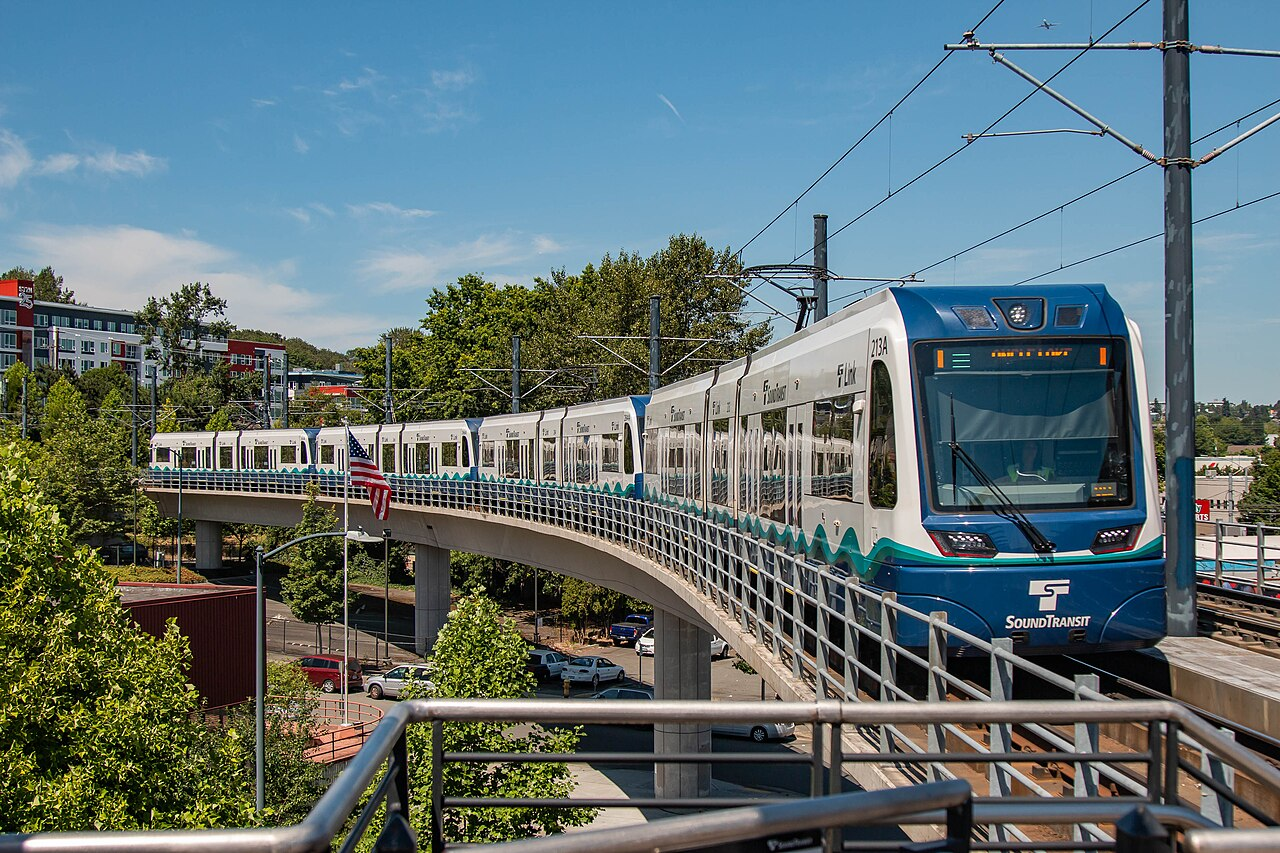
Seattle's rental market in 2026 is nuanced. While some submarkets are seeing flat or softening rents, others driven by tech-sector employment and transit proximity remain competitive. Top managers track these micro-trends continuously rather than setting a price once and forgetting it.
Key local factors they monitor include:
Seasonal demand cycles — Seattle sees peak leasing activity in spring and summer, allowing for stronger pricing during these windows
Tech hiring trends — Surges in Amazon, Microsoft, and startup hiring directly influence demand in neighborhoods like South Lake Union, Fremont, and Bellevue-adjacent areas
Transit and walkability scores — Properties near Link Light Rail stations or high-walkability corridors command measurable rent premiums
New supply entering the market — Large apartment buildings coming online in a submarket can temporarily soften achievable rents
Strategic Pricing: Not Too High, Not Too Low
Average managers often err in one of two directions: pricing too high out of optimism, or pricing too low to fill fast. Both are costly mistakes.
The best property managers Seattle landlords work with understand that the cost of vacancy often exceeds the benefit of holding out for higher rent. A unit sitting empty for three extra weeks at $2,400/month loses $1,800—money that rarely gets recovered even with a slightly higher lease rate.
Conversely, underpricing creates its own problems. A unit rented at $100/month below market locks in that loss for a full year or longer, especially given Seattle's tenant-friendly laws that limit how and when rent increases can be applied.
Top managers aim for the sweet spot—a price point that attracts multiple qualified applicants quickly while maximizing long-term revenue.
They Use Rent Comps the Right Way
Rent comps are only as useful as the methodology behind them. Top property management companies Seattle investors trust follow a disciplined process:
Match unit characteristics precisely — square footage, floor level, parking, in-unit laundry, pet policy, and view all affect price
Filter for recency — comps older than 90 days carry diminishing reliability in a shifting market
Adjust for concessions — if competing listings are offering one month free or reduced deposits, the effective rent is lower than the advertised price
Weight occupied vs. listed rents separately — what landlords are asking and what tenants are actually paying can diverge significantly
Compliance-Aware Pricing
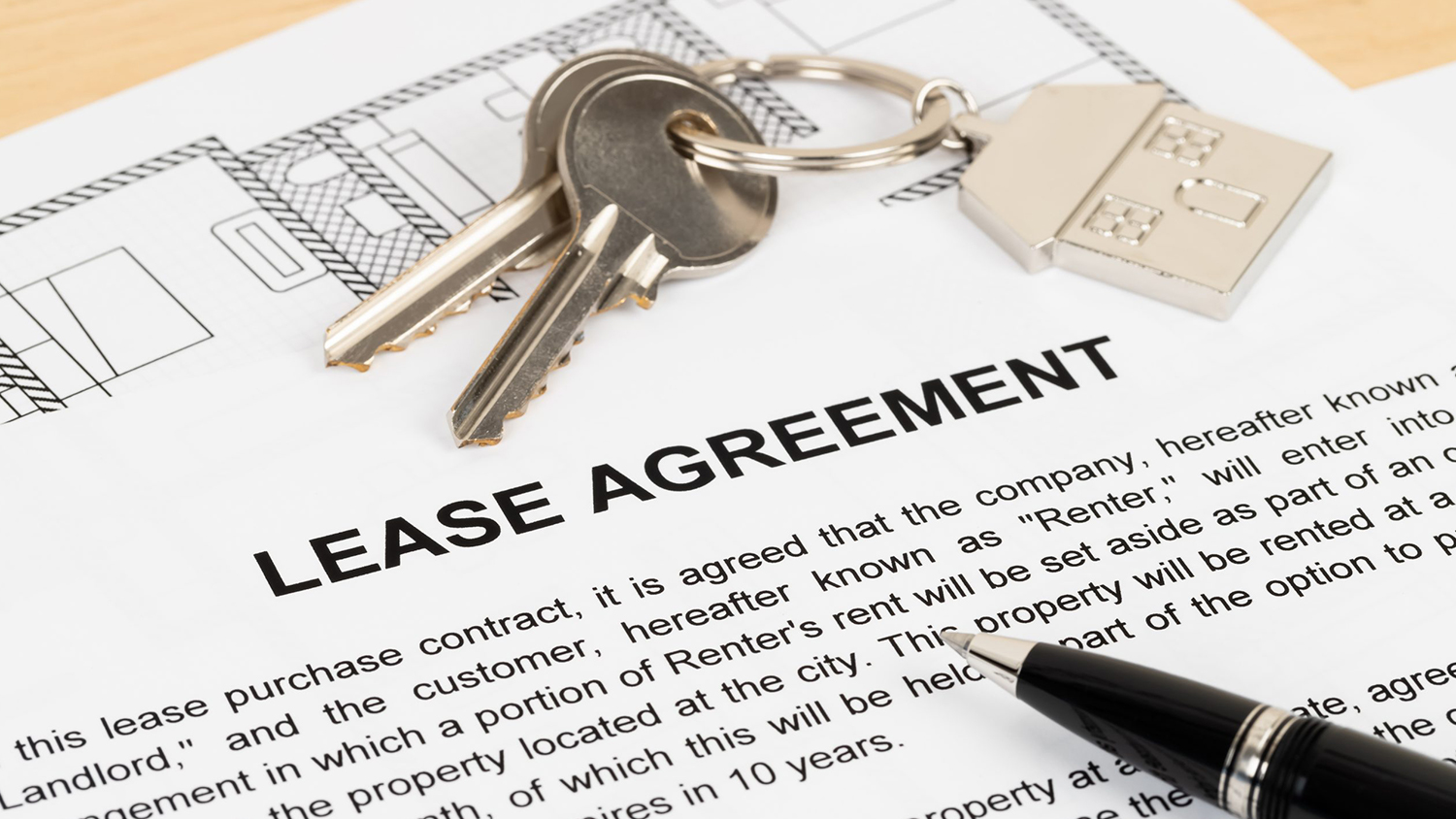
Strategic rent setting in Seattle also means navigating legal boundaries. Washington's statewide rent cap—limiting increases to 7% plus inflation or 10%, whichever is lower—directly constrains how aggressively managers can adjust rents on renewing tenants. Seattle's own 180-day notice requirement for rent increases adds an additional layer of planning.
Top managers factor these constraints into their initial pricing strategy. Getting the rent right from day one reduces the need for aggressive future increases that may trigger tenant turnover or legal scrutiny.
Ongoing Repricing, Not Set-and-Forget
The best property managers treat rent pricing as an ongoing process, not a one-time decision. They review pricing at every lease renewal, vacancy event, and significant market shift.
They also track their own performance metrics—days on market, showing-to-application conversion rates, and vacancy rates by property type—to refine their pricing models continuously. If a unit isn't generating strong inquiry volume within the first week of listing, a top manager adjusts quickly rather than waiting weeks for the market to "come around."
What This Means for Landlords
For first-time landlords especially, strategic rent pricing is one of the clearest areas where a professional property manager pays for themselves. The combination of real-time data, neighborhood expertise, legal awareness, and performance tracking that top managers bring to pricing decisions is nearly impossible to replicate without deep market immersion.
In Seattle's competitive, regulation-dense rental environment, pricing your unit correctly from day one isn't just smart—it's essential to protecting your investment's long-term performance.
About NextBrick: Seattle Property Management Built for Landlords
NextBrick is a Seattle-based property management company built specifically for landlords who want professional, transparent, and results-driven management of their rental investments. Whether you own a single-family home, a condo, or a growing multi-unit portfolio, NextBrick brings local market expertise and data-backed strategies to every property they manage.
What NextBrick Does Differently
NextBrick isn't a typical property management company that collects rent and waits for things to break. They take a proactive, owner-first approach that covers every aspect of rental management:
Strategic rent pricing using real-time Seattle market data to minimize vacancy and maximize income
Legally compliant tenant screening that follows Seattle's fair housing and first-in-time requirements
Preventative maintenance coordination with pre-vetted, licensed, and insured vendors
Transparent financial reporting through secure owner portals with real-time access
Full regulatory compliance with Seattle's evolving landlord-tenant laws, including rent cap rules and notice requirements
Straightforward, Transparent Pricing
One of the most common frustrations landlords have with property managers is unexpected fees buried in contracts. NextBrick offers
clear, upfront pricing with no hidden charges—so you always know exactly what you're paying for and what you're getting in return.
Helping Landlords Make Smarter Decisions
Beyond day-to-day management, NextBrick serves as a strategic resource for landlords navigating Seattle's complex rental landscape. From knowing
how to find the best property manager in Seattle to understanding neighborhood-level pricing trends, their team equips owners with the insights needed to make confident, long-term investment decisions.
Ready to stop guessing and start optimizing your Seattle rental?
