
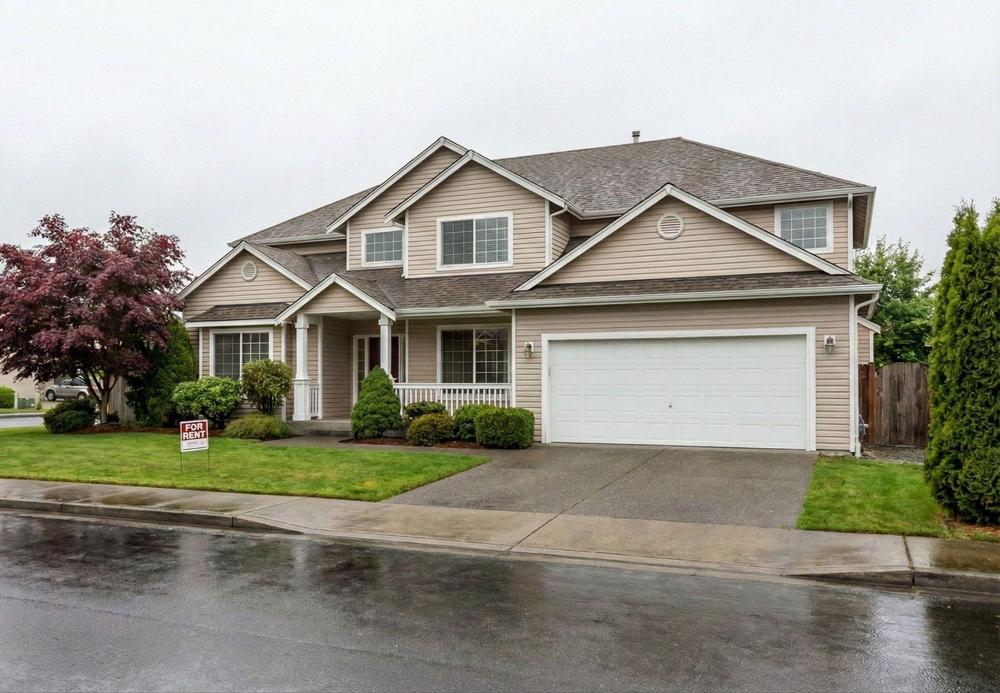
Landlord insurance is a type of coverage that specifically caters to the needs of property owners renting out their homes, apartments, or other real estate. Unlike standard homeowners insurance, which covers owner-occupied residences, landlord insurance is tailored to protect properties used as rental units. This coverage typically includes property damage, liability protection, and loss of rental income. Furthermore, landlord insurance can be customized to meet the specific requirements of the property and its location, ensuring comprehensive coverage against a wide range of potential risks. The landlord insurance market was valued at $20.7 billion in 2023 and is projected to reach $40.9 billion by 2032. By understanding the nuances of landlord insurance, property owners can make informed decisions that safeguard their investments and promote long-term profitability.
Property Damage Protection
One of the primary components of landlord insurance is protection against property damage. This coverage helps repair or replace structures like the building itself, garages, and sheds in case of damage caused by fire, storms, vandalism, or other covered events. Without this protection, property owners could face significant financial burdens if their rental property sustains damage. Moreover, property damage protection can also cover damage to fixtures and fittings within the rental unit, such as plumbing, electrical systems, and built-in appliances. Property damage coverage extends to landlord-owned items including fixtures and appliances. This ensures that landlords can maintain the habitability and value of their properties, minimizing downtime and potential loss of rental income.
Liability Protection
Liability insurance for rental property is another essential aspect of landlord coverage. It protects property owners from legal and financial responsibilities in case a tenant or visitor gets injured on the property. For example, if a tenant slips on an icy sidewalk and decides to sue, landlords can be held liable for tenant injuries when negligence in property maintenance causes harm, liability insurance can help cover legal fees and medical expenses. This protection is crucial for mitigating the potential financial impact of lawsuits. Additionally, liability coverage can extend to legal costs associated with tenant disputes, providing landlords with the resources to handle conflicts effectively without depleting their personal finances. By having this coverage, landlords can foster a safer living environment for their tenants and reduce the risk of costly legal battles.
Loss of Rental Income
Landlord insurance often includes coverage for loss of rental income, sometimes referred to as loss of rent insurance. If a covered event, such as a fire, renders your rental property uninhabitable, this coverage can compensate you for the lost rental income during the repair period, loss of rent coverage typically lasts until repairs are complete or for a maximum of 12 months, whichever comes first. This ensures that you continue to receive financial support even when your property is temporarily unoccupied. Loss of rental income coverage can be particularly beneficial in safeguarding your cash flow, allowing you to meet mortgage payments and other financial obligations without disruption, documentation such as lease agreements and profit/loss statements is essential for loss of rental income claims. Additionally, it provides peace of mind, knowing that you are protected against unforeseen circumstances that could otherwise lead to significant financial strain.
Regional Considerations: California, Virginia, and More
When selecting landlord insurance, it's essential to consider regional factors that may affect your coverage needs. For instance, home insurance for rental property in California may require additional protection against wildfires, while Virginia landlord insurance might focus on coverage for storm damage. Understanding the specific risks associated with your property's location can help you choose the best landlord insurance policy. These regional considerations ensure that your insurance policy is tailored to address the most prevalent threats in your area, providing comprehensive protection for your investment. By staying informed about local risk factors, property owners can enhance their preparedness and resilience in the face of natural disasters and other region-specific challenges.
Best Landlord Insurance California
California landlords face unique challenges, such as the risk of wildfires and earthquakes. As a result, it's crucial to select a policy that addresses these specific concerns. The best landlord insurance in California should include coverage for fire, smoke, and earthquake damage, ensuring your property is protected against the state's most common hazards, Standard landlord insurance typically includes wildfire coverage, though some high-risk areas may require additional protection. Additionally, California policies may offer optional endorsements for other risks like mudslides or flooding, which can further enhance the level of protection, California's new insurance reforms include an 85% writing rule for insurers and catastrophe model approval that may provide property owners 10-20% savings. By carefully evaluating these options, California landlords can tailor their insurance coverage to provide robust protection against the environmental risks prevalent in the state.
Landlord Insurance in Other States

Landlord insurance requirements and coverage options can vary significantly from state to state. For example, landlord insurance in Pittsburgh might focus on coverage for harsh winter conditions, while landlord insurance in Alabama may address hurricane-related risks. Similarly, Florida landlord insurance should include windstorm protection, while Massachusetts policies may prioritize coverage for snow and ice damage, Massachusetts landlords must maintain proper heating and documentation to ensure winter-related damage claims are covered. Understanding the unique risks associated with each state allows landlords to make informed decisions about the coverage they need. By selecting an insurance policy that aligns with regional threats, landlords can ensure their properties are well-protected, regardless of location.
Multi-Property and Real Estate Investment Coverage
For landlords who own multiple properties or real estate investments, multi-property landlord insurance can provide comprehensive coverage under a single policy. This type of insurance simplifies the management of multiple properties by consolidating coverage and billing. Portfolio landlord policies for owners with 5+ properties offer multi-property discounts and simplified management under one renewal date. It can also offer cost savings and ensure consistent protection for all your rental units. Having a unified policy also reduces administrative burdens, allowing landlords to focus more on property management and less on managing separate insurance policies. Furthermore, it provides a holistic view of your insurance coverage, enabling you to quickly assess and address any gaps or overlaps in protection, Multi-property landlord insurance provides comprehensive coverage across portfolios with flexibility to add or remove properties.
Real Estate Investment Property Insurance
Real estate investment property insurance is designed specifically for landlords who own properties as part of their investment portfolio. This coverage typically includes protection against property damage, liability, and loss of rental income, similar to standard landlord insurance. However, it may also offer additional coverage options tailored to the unique needs of real estate investors. These additional options may include protection against tenant default, coverage for vacant properties, or insurance for short-term rental scenarios. By opting for a comprehensive investment property insurance plan, landlords can ensure that their entire portfolio is protected, maximizing returns and minimizing risks associated with their real estate ventures.
How Property Management Companies Enhance Landlord Insurance Protection
Property management companies like Next Brick play a crucial role in helping property owners navigate the complexities of landlord insurance while maximizing their investment protection. Based in Seattle and Bellevue, Next Brick has established itself as a full-service property management company that goes beyond traditional management services by offering comprehensive guarantees that work in tandem with landlord insurance policies.
Next Brick's Insurance-Related Guarantees
Next Brick offers several unique guarantees that complement standard landlord insurance coverage and provide additional layers of financial protection for property owners:
Eviction Guarantee: Next Brick covers up to $2,000 in legal fees, including court costs and attorney expenses, if a tenant they placed needs to be evicted within the first 12 months of the lease. This guarantee addresses gaps that some landlord insurance policies may not cover, particularly in markets like Seattle where eviction rates rose by 7% in 2022 due to market instability.
Pet Damage Protection: The company provides coverage for up to $2,000 in repairs if an approved pet causes damage beyond normal wear and tear. This guarantee encourages pet-friendly rentals while protecting property owners from unexpected expenses that may fall below insurance deductibles.
Tenant Placement Guarantee: If Next Brick cannot lease a property within 30 days, they waive the owner's first month's management fee. This helps property owners maintain cash flow during vacancy periods, which is essential when landlords need to continue making insurance premium payments.
Streamlining Insurance Management
Property management companies like Next Brick simplify the insurance process by conducting regular property inspections, maintaining detailed documentation, and coordinating maintenance issues promptly. This proactive approach helps prevent claims, reduces insurance premiums over time, and ensures that properties remain in insurable condition. Their transparency-focused model, which provides owners with real-time information about their properties, also facilitates faster insurance claim processing when incidents occur.
By partnering with experienced property management companies that offer comprehensive guarantees and professional oversight, landlords can create a more robust risk management strategy that complements their landlord insurance policies and protects their rental income.
How to Get Landlord Insurance
Obtaining landlord insurance is a straightforward process. Here are some steps to help you find the right coverage:
Assess Your Coverage Needs: Evaluate your property's location, structure, and potential risks to determine the necessary coverage components. Consider factors like climate, property type, and tenant demographics. Additionally, assess any specific requirements dictated by local laws or regulations to ensure compliance.
Compare Policies: Research different insurance providers and compare their landlord insurance policies. Pay attention to coverage limits, deductibles, and exclusions to ensure you're getting the best protection for your needs. Look for reviews and testimonials from other landlords to gauge the reliability and customer service quality of potential insurers.
Request a Landlord Insurance Quote: Contact insurance providers to request quotes for their landlord insurance policies. This will help you compare costs and find a policy that fits your budget. Ensure that you provide accurate and comprehensive information about your properties to receive the most precise quotes.
Consult an Insurance Agent: If you're unsure about your coverage needs or the best policy for your situation, consider consulting an insurance agent who specializes in landlord insurance. They can provide personalized advice and help you navigate the process. An experienced agent can also highlight potential discounts or coverage enhancements that may benefit your specific situation.
Review and Purchase a Policy: Once you've selected a policy, carefully review the terms and conditions before purchasing. Ensure that you understand the coverage details and any potential exclusions or limitations. It's also advisable to periodically reassess your insurance needs, especially if there are changes in your property portfolio or the local risk environment.
Landlord Insurance Costs and Considerations
The cost of landlord insurance varies based on several factors, including the property's location, size, and condition, as well as the coverage limits and deductible you choose. On average, landlord insurance costs around 15-25% more than standard homeowners insurance, landlord insurance costs $2,100 to $4,000 per year on average, or 15-25% more than homeowners insurance due to increased risks, reflecting the additional risks associated with rental properties, While homeowners pay an average of $1,899 per year, landlords typically pay 25% more due to tenant-related risks. By understanding these cost factors, landlords can make informed decisions about the level of coverage they require, ensuring both comprehensive protection and affordability.
Factors Affecting Landlord Insurance Cost
Property Location: Properties in high-risk areas, such as those prone to natural disasters, may have higher insurance premiums. Additionally, urban locations may face higher premiums due to increased liability risks associated with population density.
Property Age and Condition: Older properties or those in poor condition may require more extensive coverage, increasing the cost. Regular maintenance and updates can help mitigate these costs by reducing the likelihood of claims.
Coverage Limits and Deductibles: Higher coverage limits and lower deductibles typically result in higher premiums. However, choosing the right balance between cost and protection can help manage long-term expenses.
Claims History: A history of frequent claims can lead to increased premiums. Demonstrating a strong track record of property management and safety measures can help keep insurance costs in check.
Conclusion
Landlord insurance is an essential investment for property owners looking to protect their rental properties from potential risks and liabilities. With coverage options for property damage, liability protection, and loss of rental income, landlord insurance provides peace of mind and financial security. By understanding the benefits and considerations of landlord insurance, you can make informed decisions to safeguard your real estate investments. Investing in landlord insurance not only protects your financial interests but also contributes to a stable rental market by ensuring properties remain viable and attractive to tenants.
In summary, whether you're a landlord in California, Virginia, or any other state, it's crucial to have the right insurance coverage in place. By taking the time to research and compare policies, you can find the best landlord insurance for your needs and ensure your property's long-term success. Ultimately, the right insurance coverage can transform potential crises into manageable events, allowing landlords to focus on growing their investments with confidence.
